
Location & Discovery
The Delaware River: One of the Cleanest Rivers in America
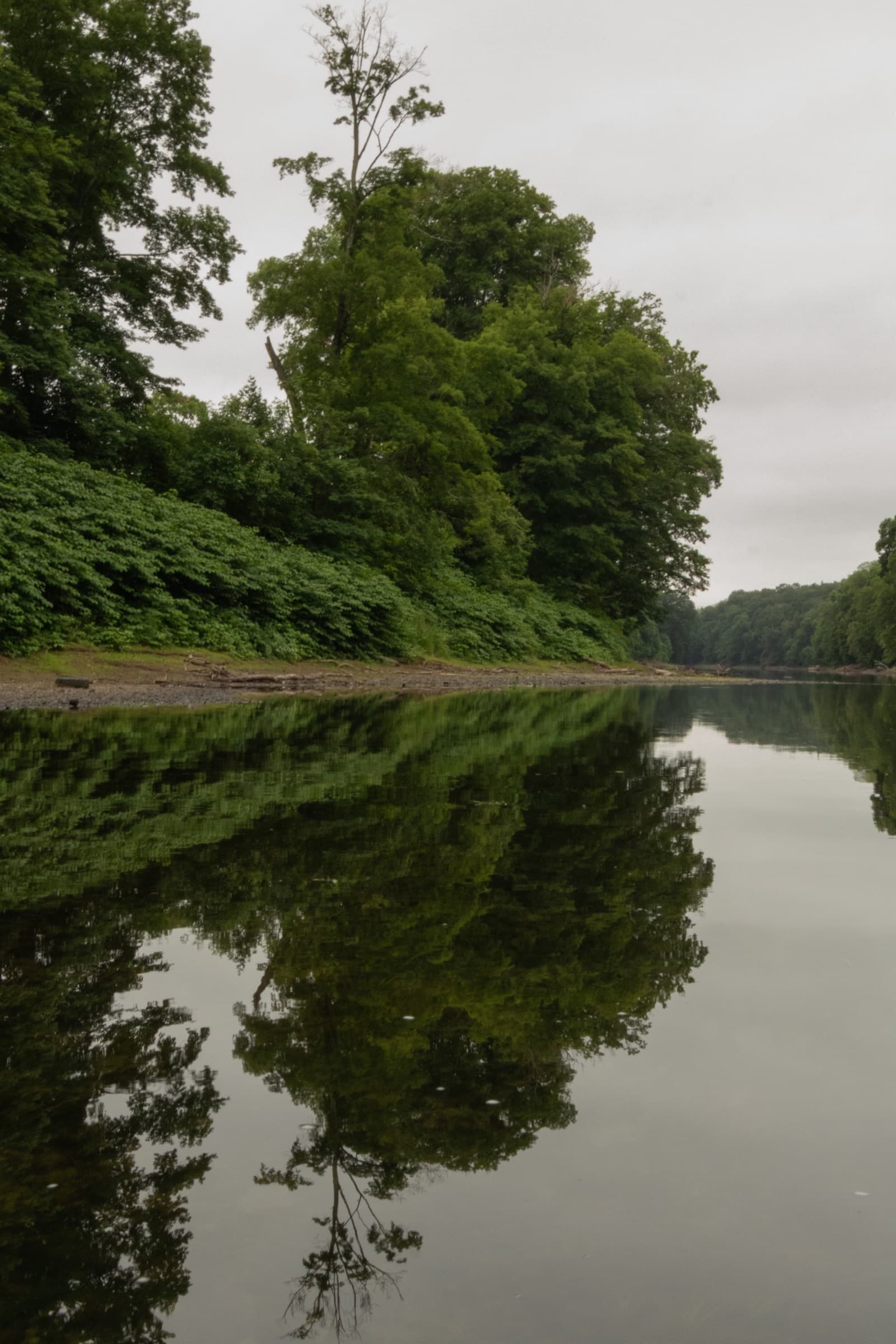
The Delaware River is one of the cleanest major rivers in the eastern United States — and that's not a marketing line. It's measurable, documented, and visible the moment you put your paddle in the water. The clarity of the river through the Delaware Water Gap is one of the first things people notice on their first trip, and it's the reason paddling here feels so different from a lot of other river destinations.
Here's the story behind why the Delaware is this clean, what that means for your trip, and what kind of wildlife a healthy river actually supports.
Is the Delaware River Actually Clean?
Yes — measurably and significantly. The Delaware River Basin Commission (DRBC) has monitored water quality across the river since the 1960s, and the trajectory over the past 50 years is one of the better environmental turnaround stories in American history. The stretch through the Delaware Water Gap National Recreation Area is clean enough to swim in throughout summer, and the water running past Chamberlain Canoes is consistently among the clearest you'll find anywhere in the Mid-Atlantic.
The improvement wasn't accidental. It was the result of active management, legal protections, and the Clean Water Act forcing meaningful changes upstream. The Delaware you paddle today is dramatically cleaner than the Delaware of 1960.
What Makes the Delaware River So Clean?
A few things work together, and the Water Gap stretch benefits from all of them.
First, the Delaware Water Gap National Recreation Area protects both banks of the river for roughly 40 miles. There's no development directly on the riverbank — no farms draining into it, no industrial operations, no runoff from strip malls or parking lots. Both sides are forested ridgeline, which is genuinely exceptional for a river this close to New York City and Philadelphia.
Second, the DRBC has maintained strict oversight over discharge and use of the river basin since it was established in 1961. That regulatory continuity over six decades matters.
Third, the river moves. The Delaware has strong, consistent flow that naturally flushes and oxygenates the water. Combined with the protected land on either side, there's very little getting in and a lot of natural filtration happening. The result is water that looks clean because it is clean.
Can You Swim in the Delaware River?
Yes. People swim regularly in the Delaware River during summer paddling trips, and it's one of the genuine pleasures of a day on the water. There are no designated swimming beaches along the Water Gap stretch, but paddlers stop to jump in throughout their trips — off rocks, off canoe gunwales, anywhere the current slows and the depth is safe.
The water is cool even in midsummer, which makes it refreshing rather than just wet. By July the river is warm enough that swimming is comfortable. September is still perfectly swimmable early in the month. The clarity is real — you can often see the bottom in the shallower stretches.
What Wildlife Does the River Support?
The wildlife along the Delaware Water Gap is one of the genuinely unexpected highlights of a river trip here. Healthy water quality supports a full food chain, and that food chain is visible from the water.
Bald eagles are the headliner. The bald eagle population along the Delaware has made a remarkable comeback over the past few decades — sightings on a river trip are common, not rare. Great blue herons are practically guaranteed; you'll see them standing statue-still in the shallows watching for fish. The Delaware still has strong shad runs in spring, and trout are present throughout the river. River otters have returned to the watershed. White-tailed deer and black bears come to the river's edge regularly, especially in early morning.
None of that wildlife would be there if the water weren't clean. The biodiversity is its own evidence.
How Does the Water Gap Stretch Compare to Other Rivers?
The Delaware Water Gap is unusually well-protected for a river in the densely developed northeastern United States. The NRA designation means both banks are managed federal land for roughly 40 miles — which is essentially unheard of this close to two major metro areas.
Most rivers in the Mid-Atlantic and Northeast run through a patchwork of private land, agriculture, development, and industry. Even rivers with decent water quality often have degraded banks, limited wildlife habitat, and visible signs of encroachment. The Delaware Water Gap stretch has none of that. It's often cited as one of the cleanest river corridors in the eastern US precisely because of this combination: protected land plus active water quality management plus a strong-flowing river.
Is It Safe to Drink the Delaware River Water?
No — you should never drink untreated water from any natural river or stream, no matter how clean it looks. Even very clean rivers can carry bacteria, parasites, and other microorganisms that cause illness. The cleanliness of the Delaware is real and significant, but it doesn't mean the water is potable without treatment.
Bring plenty of water for your trip. Swimming and paddling in it? Absolutely. Drinking it untreated? No.
Ready to See It for Yourself?
The best way to understand why the Delaware River feels different is to get on it. Check out our canoe trips or kayak trips to find a route that fits your group — and plan to spend some time in the water. It's worth it.
Ready?
Book Your Delaware River Adventure
Chamberlain Canoes has been running trips since 1968. We handle the gear, the shuttles, and the logistics — you just enjoy the river.

